No products
Product successfully added to your shopping cart
There are 0 items in your cart. There is 1 item in your cart.
- fr
- en
Inkwells
-

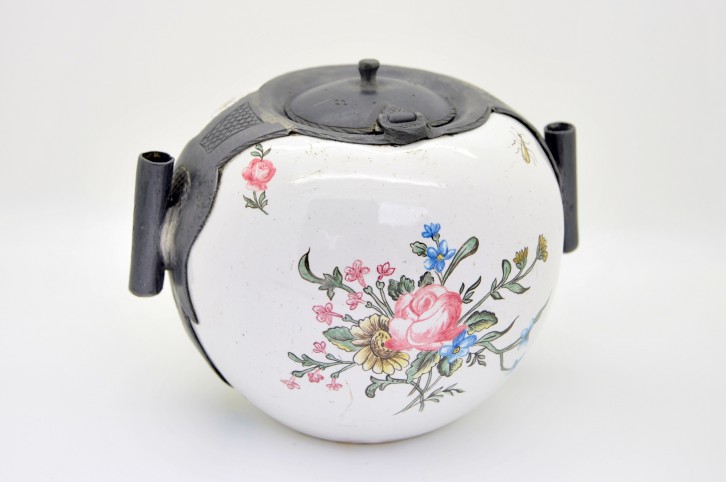
Inkwell eighteenth painted porcelain.
Inkwell eighteenth painted porcelain and lead and supporting a quill, French manufacturing.
480 € -
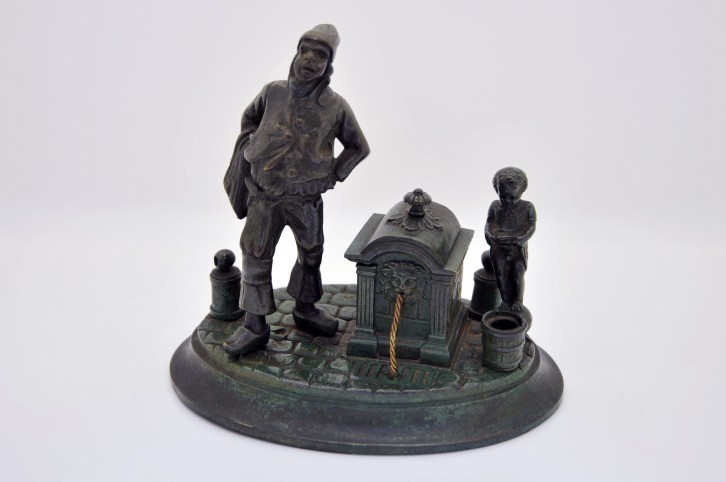
Patinated bronze inkwell, Charles X style...
Charles X style patinated bronze inkwell representing a small Parisian art (or crumple mender) with a child (which recalls the "Manneken Pis") urinating in a bucket for windscreen pen.
1 400 € -
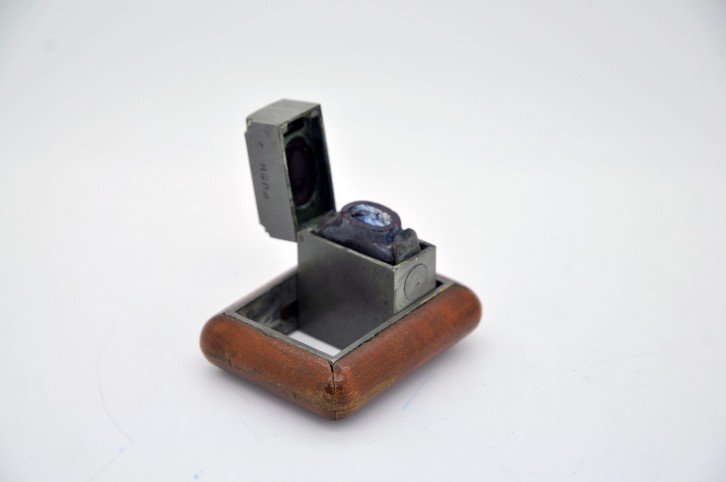
Lead Marine travel inkwell and mahogany
Rare Brand travel inkwell "Rue" manufacturing English mahogany and 1880 lead.
280 € -
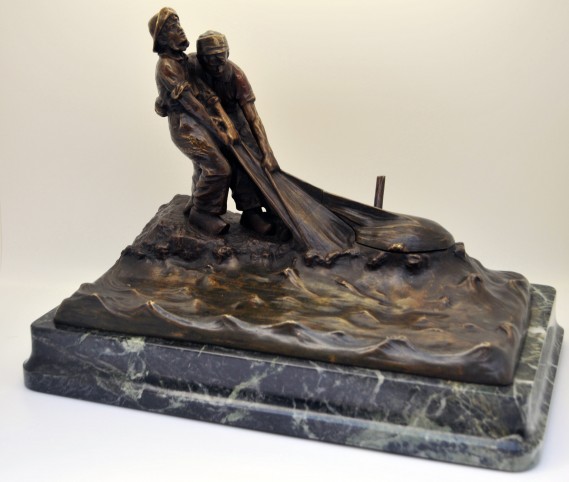
patinated bronze inkwell scene of...
Inkwell exception, ornamental piece with a fishing net scene, original and beautiful XIX inkwell bronze patina shade of green marble, the net cover contains the inkwell. green marble or green Guatemala QuetzalAustrian manufacturing.
2 200 € -
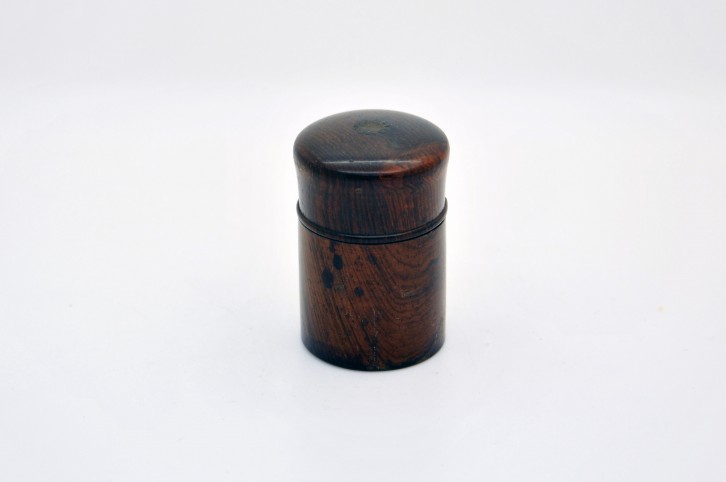
Travel Inkwell late nineteenth wood Macassar
travel inkwell cylindrical wood Macassar. Under the inside lug by closing lid conceals the vial glass cylindrical inkwell closed by a closure stopper spring system. This type of ink was used by the country doctors or agricultural livestock dealers.
270 € -
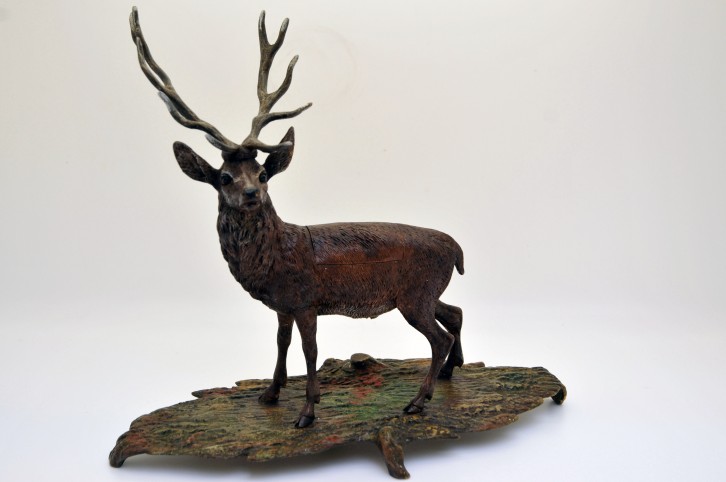
Encrier en bronze polychrome - cerf
Inkwell polychrome bronze from the late nineteenth, like deer hunting scene, fine bronze work of Vienna-type French. Working nineteenth.
1 200 € -
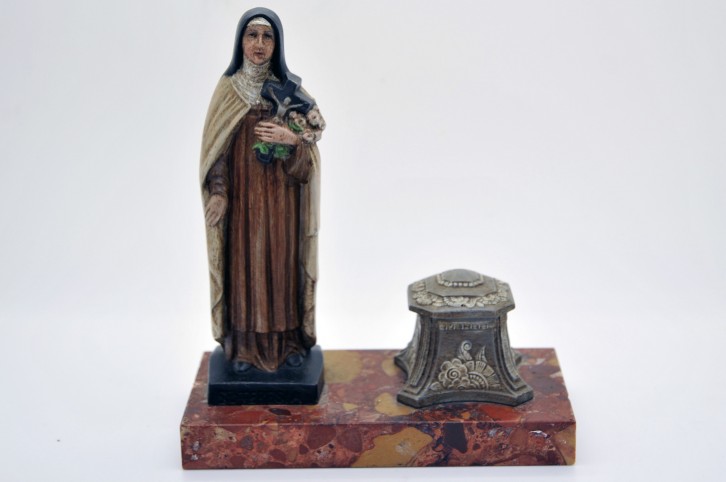
Original inkwell of 30 years with the...
Original inkwell religious 1930s with the Virgin Mary mounted on a marble top.
230 € -
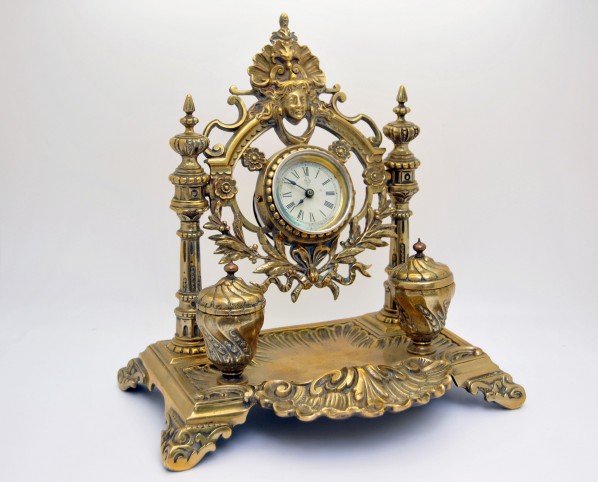
Inkwell and original French bronze clock...
Original inkwell and bronze clock late nineteenth inspiration Napoleon III and Gothic with a carrier harbor pen and two scoops.French production from 1880 with original gilding.
1 200 € -
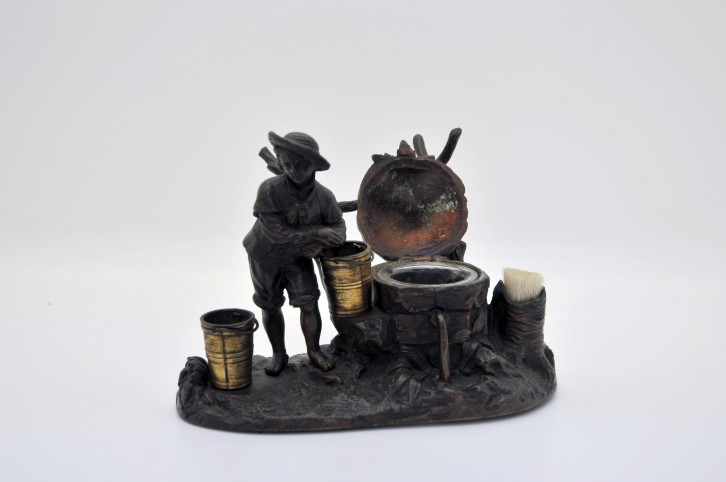
Inkwell bronze patina XIXe
Inkwell and pyrogenic made of patinated bronze in France in 1880. The subject is a well digger, the character is next to a fountain hiding an inkwell, there are two buckets and a trunk containing a pen wiper.
1 200 € -
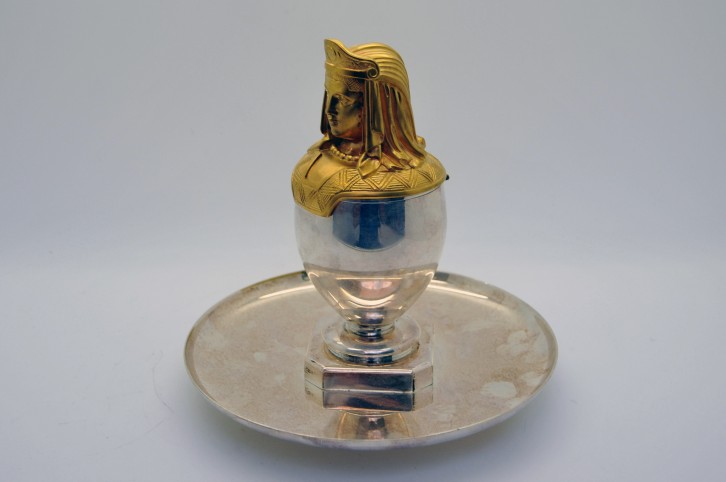
Inkstand nineteenth in ancient Egypt...
Inkwell quality with an Egyptian sphinx back style silvered bronze and golden French production in 1880
1 200 € -
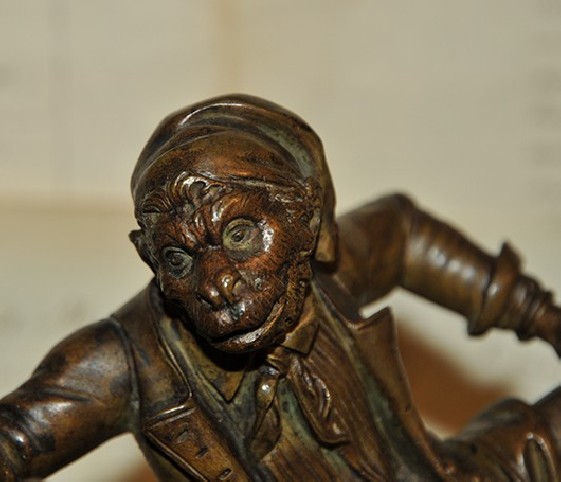
Anthropomorphic ape inkwell bronze brown...
Monkey ink has brown patina bronze resting on a black marble base in the middle nineteenth executed in France, anthropomorphic scene of a bandit grimed eighteenth sitting monkey. The bucket features a fountain and a basket bottles welcomes doors feathers or pyrogenic. This fountain was executed with great finesse.
1 700 € -
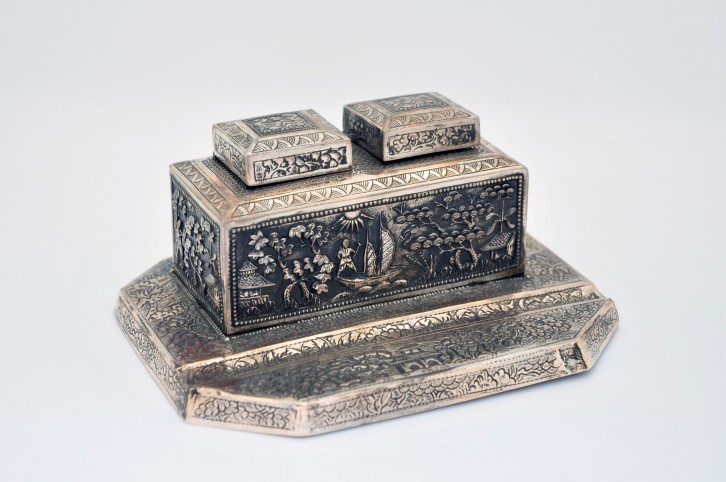
In Sterling Silver Inkwell Made In...
Inkwell in silver made by hand in Vietnam for local notables at the end of the nineteenth. All the reliefs are of great delicacy of execution, the buckets were designed also in silver. Scenes of daily life in the fields and rice paddies.
1 200 €